

The New Hollywood Burbank Airport - Designed for Modern Travel and Enhanced Passenger Experience
The first new ground-up terminal in the U.S. in decades opens to the public, with design looking to the future while honoring heritage Hollywood
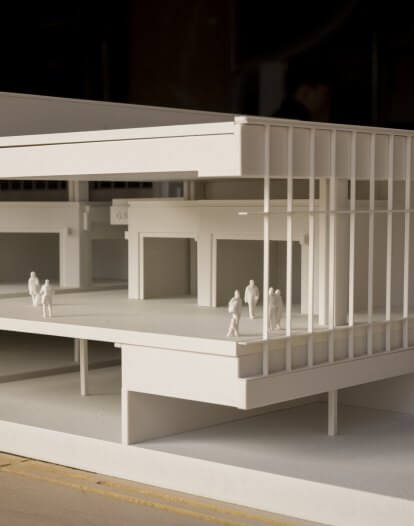
The first new airport terminal in the United States in decades, Hollywood Burbank Airport, will welcome its first flights on Tuesday, October 13, 2026. Designed by Corgan, in association with CannonDesign and Burns & McDonnell and in partnership with Holder-Pankow-TEC, a joint venture (HPTJV), the 14-gate, 355,000-square-foot airport was inspired by Old Hollywood glitz and glamour but designed for the modern 21st-century traveler.
First announced in 2016 and following years of impact studies and planning via the ElevateBUR public campaign, the Burbank-Glendale-Pasadena Airport Authority Commission (BGPAA) entrusted Corgan, in association with CannonDesign, to design a terminal that elevates the passenger experience and enhances airport operational efficiencies. The terminal broke ground in January 2024 and by exceptional project coordination and enabling projects, the airport completed within an 46-month design and construction schedule.
Hollywood Burbank Airport is designed to optimize operations and safety, preserve the airport’s popular and unique ground-loaded boarding, reimagines check-in and security functions, provides enhanced hospitality, amenities, and retail options, and streamline baggage and curbside flows. New parking facilities, masked by a dazzling “silver screen,” leads to a swooping canopy supported by movie premier searchlight-inspired columns, offering a cinematic sense of arrival and serves as a memorable landmark.
Sustainability is embedded throughout the design, beginning with electrification, an important step towards decarbonization. The new terminal is designed to be fully electric - one of the first in the country - including all heating and cooling in kitchens for food and beverage retailers, electric vehicle charging stations, and electric ground service equipment. With no combustion on site, and an array of photovoltaic panels to produce renewable energy, the terminal is designed to reduce its carbon emissions to zero, reflecting California’s electricity grid shifts to clean energy to achieve zero-carbon.
“The new airport is designed to honor the convenience and charm that travelers love about Hollywood Burbank Airport while giving the region a modern terminal built for the future,” said Brent Kelley, Managing Principal, Aviation & Transportation at Corgan. “We have amazing local teams working on design at airports like Los Angeles International Airport and Long Beach Airport, and we’ve taken this regional experience to Hollywood Burbank Airport to design a travel experience that feels effortless for passengers while leaving a lasting impression that reflects the energy, creativity, and optimism that Southern California so well represents.”
Celebrating A History of Aviation
Corgan’s research and innovation practice, Hugo, conducted a Sense of Place study, which included interviews with a mix of area residents and visitors to understand how people identify with the city, what attracts them to the region, where they get their information, and how they advocate for the area. With this research, Corgan held public design charettes to obtain feedback and introduce the Old Hollywood glamor design concept while including improvements modern and future passengers require. With this feedback, the final design concept celebrating the region and creating a new area landmark, was selected.
Hollywood Burbank Airport has served the Burbank, Glendale, Pasadena, and Greater Los Angeles region for nearly a century. When it originally opened, it was the largest commercial airport serving the Los Angeles area and was militarized by Lockheed during World War II to test advanced aircraft—during this time it was even camouflaged with a large net to hide from aerial surveillance, itself a major feat for the time. Post-war, the airport has returned to civilian use but still plays a role in active aircraft testing. The new terminal replaces the airport’s existing passenger terminal and continues the evolution of a site rich with aviation history.
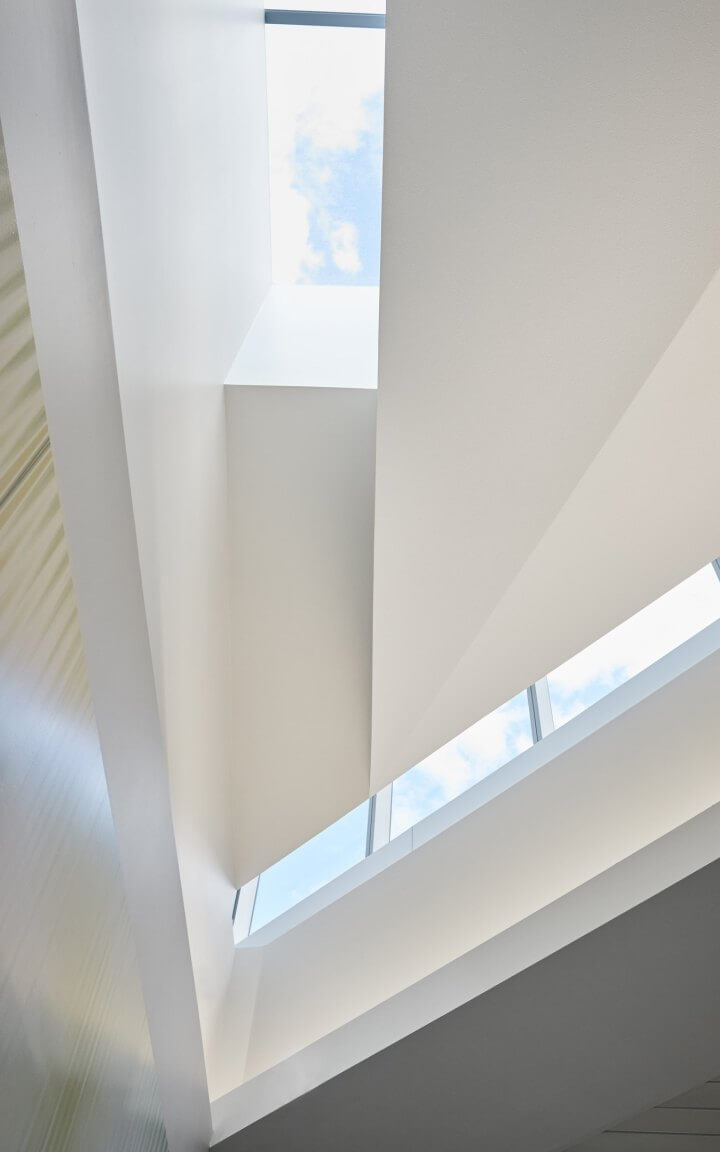
This history is represented in the airport’s extensive art program. The art program includes a monumental 30-by-40-foot steel mirrored sculpture, “When We Reflect” by Glenn Kaino, which hangs in the light-filled, double-height entrance hall. The piece represents the World War II-era disguise the airport used to protect from air attacks. Additionally, a pair of large-scale sculptures, “The Two Electras,” by Cliff Garten located in the entry plaza, inspired by the Lockheed Model 10E Electra Special made famous by Amelia Earhart and built at the site in 1936.
Corgan is at the forefront of designing terminals and aviation interiors that prioritize passenger wellness, operational efficiency, and a distinct sense of place. Having served clients in over 200 airports across the Americas, Europe, Asia, and the Middle East, Corgan continues to shape the future of air travel through active projects at Chicago O'Hare International Airport, Hartsfield-Jackson Atlanta International Airport, Houston Hobby International Airport, John F. Kennedy International Airport, San Antonio International Airport, and many others. Ranked the third largest airport facility architecture firm by Building Design + Construction, and with more than 255 team members dedicated to aviation and transportation.