
The Impact of School Design on Teachers with Disabilities
Educators operate in learning environments often designed with students as the primary focus, while their own needs remain underrecognized. At the same time, increasing professional demands contribute to rising stress, burnout, and retention challenges. Nearly one in eight teachers experiences one or more disabilities, including learning differences, chronic illnesses, physical disabilities, or visual impairments, that shape how they engage with the built environment.
While inclusive design in education has traditionally focused on students, a study undertaken by Hugo and supported by the American Society of Interior Designers Foundation addresses a critical gap by examining educators as active users of the learning environment and understanding how design can better respond to their needs and experiences.

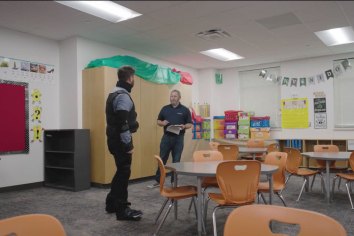
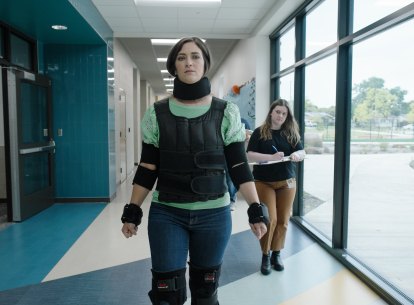
To examine how environmental conditions shape the experiences of educators with disabilities, the study moved beyond conventional evaluation methods—connecting lived experience with measurable impact. Interviews and surveys documented the day-to-day realities of current and former educators with disabilities, while on-site simulations using embodied-empathy tools, including the GERT suit, introduced both visible and invisible conditions across chronic and temporary disabilities.
Interviews and surveys captured challenges that are often difficult to observe or quantify through traditional evaluation alone. Conducted in real educational settings, the simulations combined behavioral observation, wearable-based measures, and self-reported data to examine how spatial and environmental conditions shaped task demands, cognitive effort, emotional response, and interaction with space.
By integrating qualitative insights with experiential and physiological data, the study generated a robust, evidence-based understanding of environmental performance. This triangulated approach strengthened validity while supporting actionable design strategies.
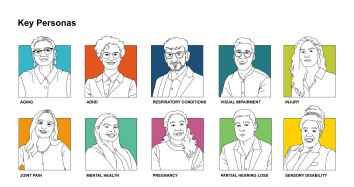
Designing for the Full Spectrum
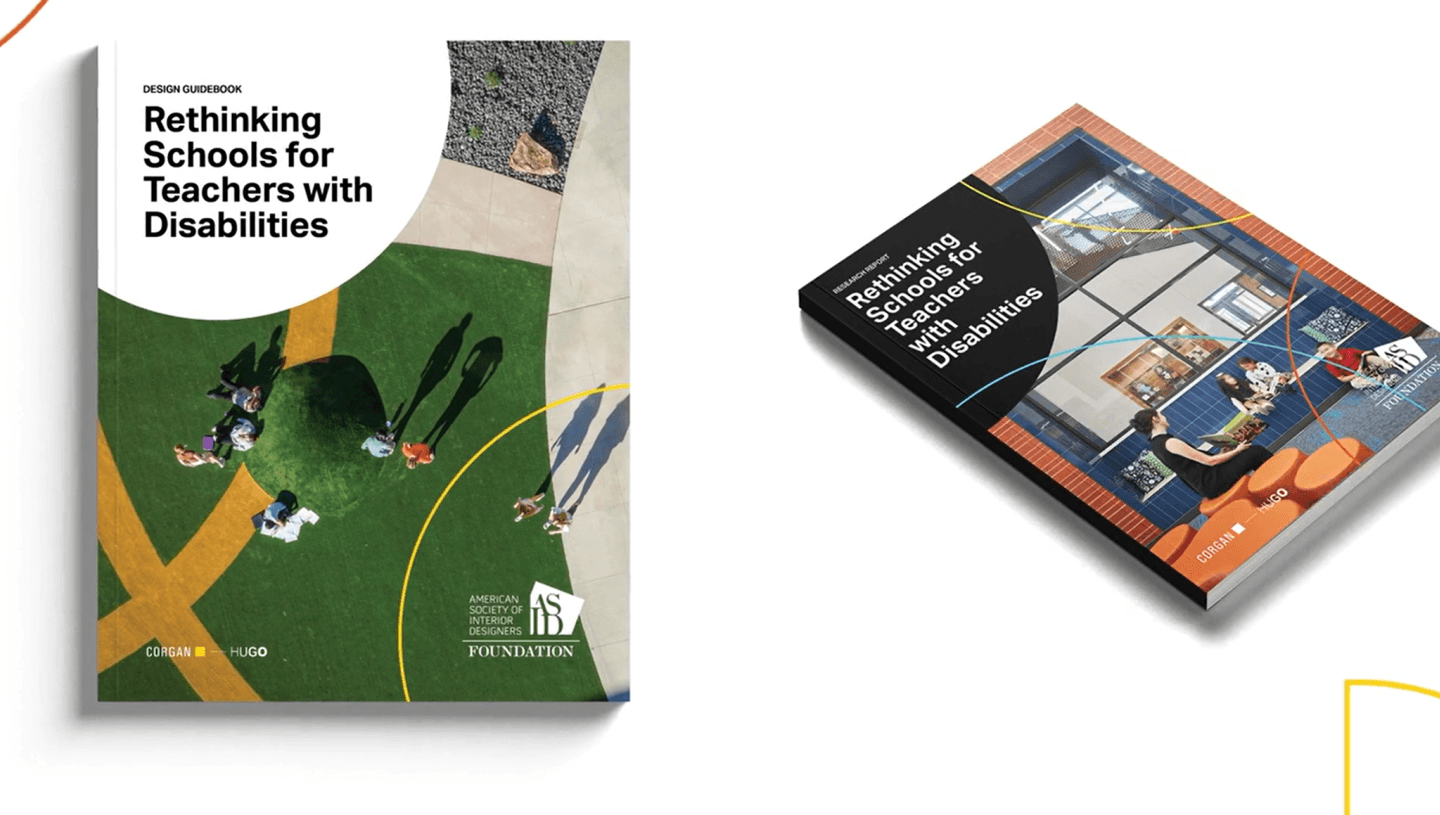
The research findings were translated into a series of practical tools and strategies that examine inclusion across multiple lenses—from individual educator experiences to broader spatial, operational, and environmental systems. The resulting guidebook synthesizes insights across design scales, project phases, and shared learning spaces, outlining holistic approaches that can adapt across contexts and user needs.
Developed through collaboration with educators, designers, and stakeholders, the framework extends beyond design alone, recognizing that inclusive learning environments are shaped through coordinated decisions across planning, operations, policy, and everyday use.
To read the full research insight and learn more about the study conducted by Hugo, click here.
Explore the actionable, inclusive strategies and research findings in the design guidebook and report below.