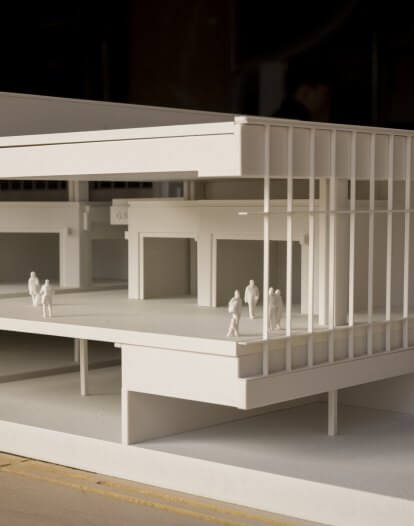




Pago Pago, American Samoa International Airport
Project Stats
- Location
Pago Pago, American Samoa
- Size
120,000 SF
- Market
- Expertise
A gateway rooted in culture, community, and connection
In America Samoa, the airport is a central gathering place — where families bid farewell, communities welcome loved ones home, and the island’s cultural identity meets the wider world. However, due to outdated facilities, aging infrastructure, and the impact of severe weather, Pago Pago International Airport is in need of a new terminal.
In response to the evolving needs of the region and the country’s economic development plans for growth, Corgan’s expertise in aviation planning and airport terminal design was a natural choice to evaluate, plan, and design the new terminal.

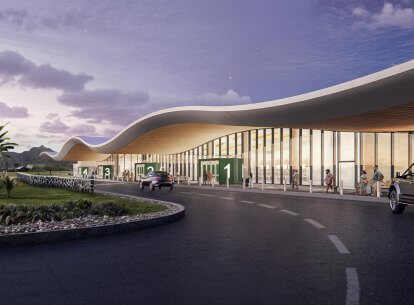
The capital city’s airport terminal reconstruction will strengthen the territory’s primary air gateway with a resilient, sustainable, and low maintenance design that reflects the spirit of American Samoa. The new terminal embraces this role by creating a welcoming, culturally grounded environment that honors tradition while supporting a future-ready aviation experience.
A passenger experience shaped by island life
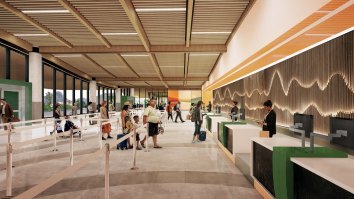
The terminal draws inspiration from the landscapes, traditions, and communal values that define daily life in American Samoa. The architectural elements reflect regional identity and support intuitive wayfinding, creating a journey that feels distinctively Samoan from arrival to departure. Open, daylight‑filled spaces, natural materials, and shaded outdoor transitions create a calm, climate‑responsive passenger experience. Public areas are designed to support the airport’s role as a social hub: comfortable places where travelers gather, families greet one another, and cultural exchange unfolds.
Integrated planning for a sustainable and future‑ready airport
The project is grounded in a commitment to sustainability, resource independence, and future-ready airport planning. An integrated design approach brings together the new terminal, parking, and auxiliary facilities across airside and landside environments, ensuring long-term operational reliability through comprehensive planning, climate-resilience assessment, and best-practice terminal modernization.
High-performance systems, renewable energy strategies, and climate-adapted materials reduce long-term operating costs while supporting environmental stewardship across the territory. Durable, low-maintenance systems are selected for performance in a tropical marine climate, strengthening the airports’ role as a critical lifeline for the region. Targeting LEED Platinum and pursuing the International Living Future Institute’s Net-Zero certification, the project establishes a new benchmark for regenerative, resilient design in the Pacific.
A modern airport that honors its people
Designed to enhance operational efficiency, increase capacity, and meet modern aviation standards, the new terminal elevates the airport as a place of gathering, identity, and connection. By blending cultural expression with high‑performance design, the reimagined airport will create a gateway that serves both the needs and the spirit of American Samoa — supporting community, resilience, and a sustainable future.