

Lessons Learned in Urban Design: Principles That Endure
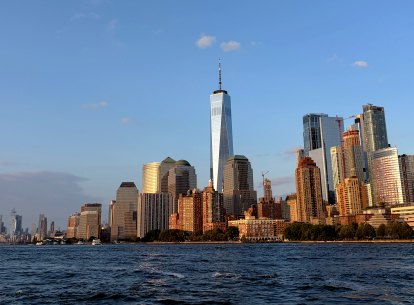
In our experience leading some of the most significant urban design projects in the United States, from Battery Park City to Hudson Yards and Bay Meadows, we've learned a simple but enduring lesson: while the tools of planning continue to change, the fundamentals of establishing great places do not.
Across the country, communities are reimagining downtowns and corridors, reconnecting waterfronts, and confronting urgent housing needs. While new technologies are reshaping how we analyze and envision the built environment, successful places still depend on something more fundamental: understanding context, stewarding the site, balancing analysis with creativity, and aligning economic realities with human experience.
This moment calls for reflection: What have decades of built work taught us about shaping places that are resilient, beloved, and lasting?
Guided by Kevin Lynch’s urban design principles: paths, edges, districts, nodes, and landmarks; and shaped by inclusive engagement and climate-responsive environmental systems, we’ve seen firsthand how ideas move from plan to place and from vision to everyday experience. Across projects large and small, five key lessons consistently rise to the surface.
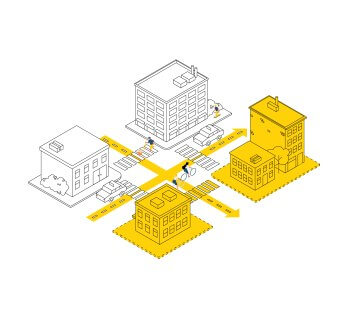
Reinforce existing connections
As cities evolve, much of our work focuses on repairing the consequences of past planning decisions, reconnecting neighborhoods that were separated by infrastructure, disinvestment, or outdated land-use patterns. Often, the most powerful tool is the network that already exists. Strengthening historic streets, transit corridors, view corridors, and ecological systems creates continuity and helps stitch communities back together in ways that feel authentic rather than imposed.
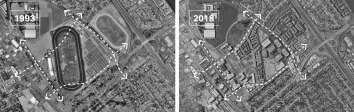
At Bay Meadows in San Mateo, California, our plan focused on strengthening key connections and closing gaps in the transportation and public-space network to support new infill development.
Key Takeaway: Begin by mapping existing streets, transit routes, open spaces, and community assets to identify missing links and opportunities for reconnection before introducing new infrastructure.
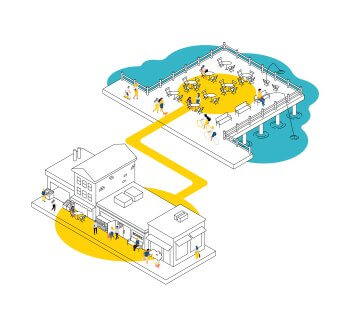
Great places need anchors and attractors
People need a reason to come, stay, and return. Whether it's a waterfront promenade, cultural venue, public square, or retail center, successful places offer destinations that create activity and identity. These anchors support economic vitality, foster community life, and establish a district's sense of place. While their form may vary, their purpose remains the same: to generate energy, attract people, and create lasting value.
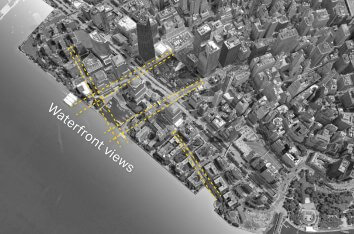
Our work on the master plan for Battery Park City focused on extending the Manhattan street grid to the waterfront, creating a network of public spaces that connected people to the Hudson River and framed iconic views of the Statue of Liberty.
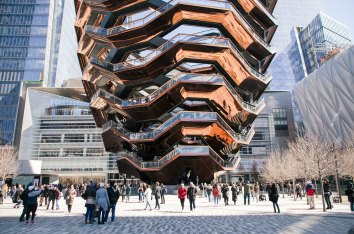
More recently, Hudson Yards introduced a contemporary landmark in the Vessel, which serves as a visual focal point and gathering place within the district (image credit: Evelyn Akhmerov for Unsplash).
Key Takeaway: Identify and invest early in the cultural, civic, recreational, and economic destinations that can give a district its identity and become a catalyst for activity.
Use physical hierarchy to invite people in
Cities have long relied on visual cues, towers, landmarks, gateways, and prominent buildings, to help people orient themselves and navigate their surroundings. When used intentionally, height and building massing can signal arrival, frame important views, and draw people through a district. At Hudson Yards, for example, the skyline visible from the High Line serves as a natural invitation to continue exploring the neighborhood.
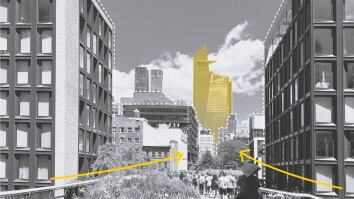
The implementation of Hudson Yards incorporated a clear hierarchy of building heights, allowing KPF-designed 10 Hudson Yards and 30 Hudson Yards to emerge as defining landmarks and visual beacons within the district.
Key Takeaway: Use height, massing, and landmarks strategically to create intuitive wayfinding, reinforce identity, and establish a strong sense of arrival.
Great places are experienced at the ground level
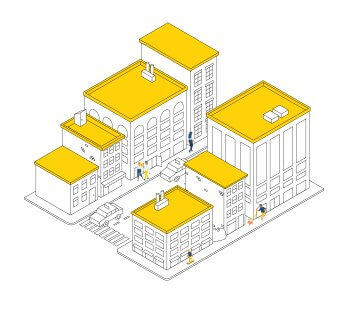
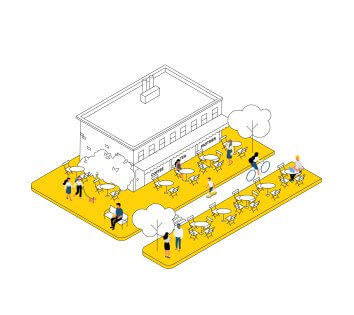
Whether walking, biking, rolling, or driving, people experience cities from the ground up. Yet not all ground-level environments are created equal. The growing prevalence of standardized mid-rise apartment buildings, for example, has made many places feel interchangeable, particularly at the street level, where building materials, storefronts, and entrances often lack variety and character.
The most successful places counter this trend with human-scaled design, barrier-free access, and public spaces that respond to daily life and seasonal change. Shade in the summer, lighting in the winter, seamless access to transit, comfortable places to gather, and routes that draw people away from busy roadways all contribute to a stronger sense of place. At five miles per hour, the pace of a pedestrian, details matter. Façade rhythm, storefront transparency, paving textures, landscaping, and the overall choreography of movement shape how people experience a place.
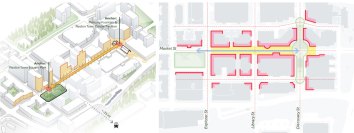
Our in-house benchmarking of urban districts includes evaluating the quality of the pedestrian experience at the ground level. One measure we track is the concentration of building entrances for retail, residential, and commercial uses. More frequent entries create visual interest, support activity along the street, and encourage walking. (image credit: Andrew B. Smith and Aung Htet Khant Paing)
Key Takeaway: Design every block from the pedestrian's perspective and make detailed streetscape planning a core component of the design process rather than an afterthought.
Lastly, long term success requires stewardship
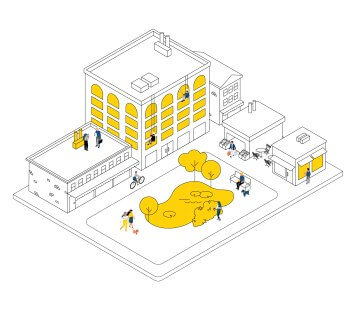
The difference between a plan and a successful place often comes down to more than design. Great plans combine a flexible physical framework with committed stewardship that guides implementation over time. Whether through public agencies, business improvement districts, conservancies, developers, or community organizations, effective stewards play a critical role in securing funding, coordinating stakeholders, maintaining momentum, and caring for the public realm. Without clear stewardship, even the most thoughtful plans can lose direction or fall short of their potential.
The best city plans are not only well designed; they are built to adapt over time, implemented in deliberate phases, and grounded in the needs of the people they serve. They embrace density, flexibility, patience, and a long-term perspective. These lessons remind us that city building remains fundamentally a human endeavor. Innovation matters, but commitment matters more: commitment to craft, community, and the long-term stewardship required to create places that endure.